Expert Meniscus Tear Diagnosis, Treatment, and Recovery Guidance
Meniscus tears are among the most common knee injuries. Athletes, especially those who play contact sports, are at risk for meniscus tears, but anyone at any age can tear the meniscus. When people talk about “torn cartilage” in the knee, they are usually referring to a torn meniscus.
Anatomy
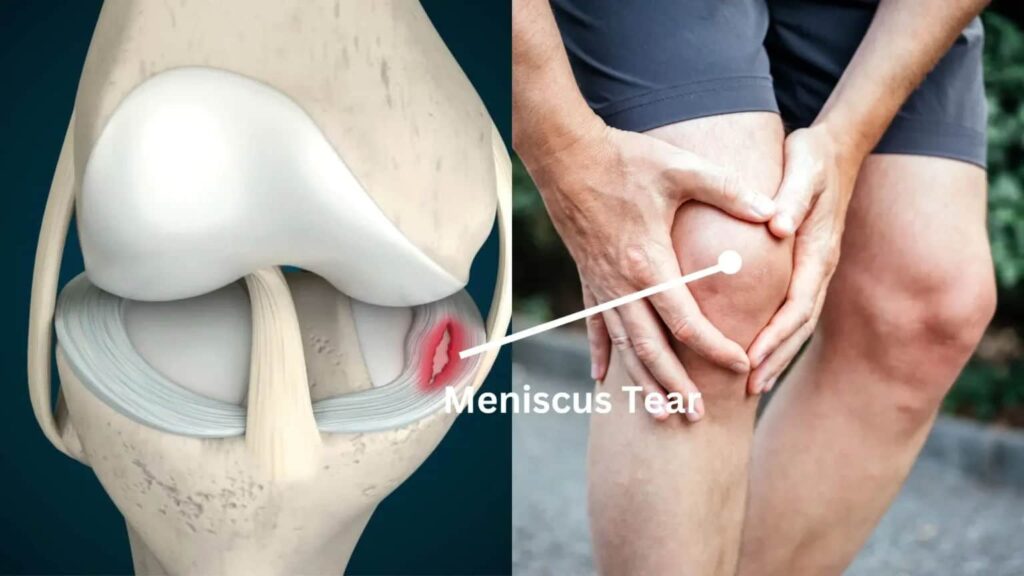
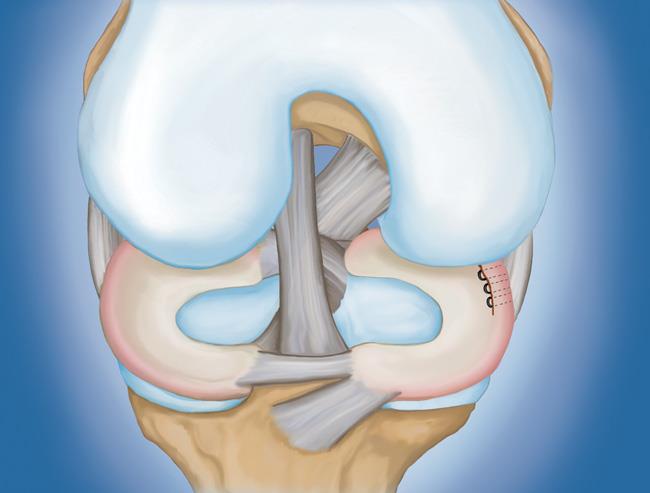
Three bones meet to form your knee joint: the thighbone (femur), shinbone (tibia), and kneecap (patella). Two wedge-shaped pieces of fibrocartilage act as shock absorbers between the thighbone and shinbone. These are the menisci, and they help transmit weight from one bone to another while also playing an important role in knee stability.
Description
The meniscus can tear from acute trauma or as a result of degenerative changes that happen over time. Tears are described by how they look and where they occur in the meniscus. Common tear patterns include bucket handle, flap, and radial tears. Sports-related meniscus injuries often occur together with other knee injuries, such as anterior cruciate ligament (ACL) tears.
Cause
Acute meniscus tears often happen during sports and may result from either a contact or non-contact injury, such as pivoting or cutting. As people age, degenerative meniscus tears become more common because older tissue is more prone to damage. In some cases, even an awkward twist while getting up from a chair may be enough to cause a tear in an aging meniscus.
Symptoms
You might feel a “pop” when you tear the meniscus. Most people can still walk on the injured knee, and many athletes are able to keep playing with a tear. Over the next 2 to 3 days, however, the knee usually becomes more stiff and swollen. The most common symptoms include:
Pain
Stiffness and swelling
Catching or locking of the knee
The sensation of the knee “giving way”
Inability to move the knee through its full range of motion
Doctor Examination
Physical Examination
After discussing symptoms and medical history, your doctor will examine the knee and check for tenderness along the joint line where the meniscus sits. This often signals a tear. One of the main tests for meniscus tears is the McMurray test, in which the knee is bent, straightened, and rotated to place tension on the torn meniscus.
If you have a meniscus tear, this movement may cause pain, clicking, or a clunking sensation within the joint. Because other knee injuries can cause similar symptoms, imaging tests are often used to confirm the diagnosis.
X-rays provide images of dense structures such as bone and help rule out other causes of knee pain like osteoarthritis, although they do not show a meniscus tear itself. MRI scans assess the soft tissues in the knee, including the menisci, cartilage, tendons, and ligaments.
Treatment
Treatment depends on several factors, including your age, symptoms, activity level, and the type, size, and location of the tear. The outer one-third of the meniscus has a rich blood supply, so tears in this “red” zone may heal on their own or can often be repaired surgically. In contrast, the inner two-thirds have limited blood flow. Tears in this “white” zone usually do not heal on their own, and symptomatic tears that do not respond to conservative treatment are often trimmed surgically.
Surgical Treatment
If symptoms continue despite nonsurgical treatment, arthroscopic surgery may be recommended. Knee arthroscopy is one of the most commonly performed orthopaedic procedures and allows the surgeon to view the inside of the knee through a miniature camera inserted through a small portal.
Procedure
During knee arthroscopy, surgical instruments are inserted through two or three small portals to trim or repair the tear while preserving as much healthy meniscus tissue as possible.
Partial Meniscectomy
In this procedure, the damaged meniscus tissue is trimmed away. Patients can usually bear weight immediately and regain full range of motion soon after surgery.
Meniscus Repair
Some meniscus tears can be repaired by suturing the torn pieces together. Whether repair is possible depends on the type of tear and the condition of the meniscus. Recovery from repair takes longer than meniscectomy because the meniscus must heal back together.
Recovery
Once the initial healing is complete, rehabilitation exercises are essential to restore knee mobility and strength. Range-of-motion exercises are started first, followed by strengthening exercises as recovery progresses. Rehabilitation may be done at home or with a physical therapist. Recovery after meniscus repair usually takes about 3 to 6 months, while a meniscectomy often heals in approximately 3 to 6 weeks. With proper diagnosis, treatment, and rehabilitation, patients often return to their pre-injury abilities.