Nonsurgical Care
Activity modification, ice, appropriate medicines, and physiotherapy may be suitable when symptoms are manageable and the knee is not persistently locked.
Arthroscopy is a surgical procedure that orthopaedic surgeons use to visualize and treat problems inside a joint. The term comes from the Greek words “arthro” (joint) and “skopein” (to look), meaning “to look within the joint.” In arthroscopic surgery, small pencil-sized instruments with a lens and lighting system are inserted through a tiny incision, allowing the surgeon to magnify and illuminate the structures inside the joint without the larger cuts needed for open surgery.
A miniature camera attached to the arthroscope displays the inside of the joint on a video monitor, helping the surgeon examine cartilage, ligaments, and other internal structures in detail, then repair or correct the problem when needed.
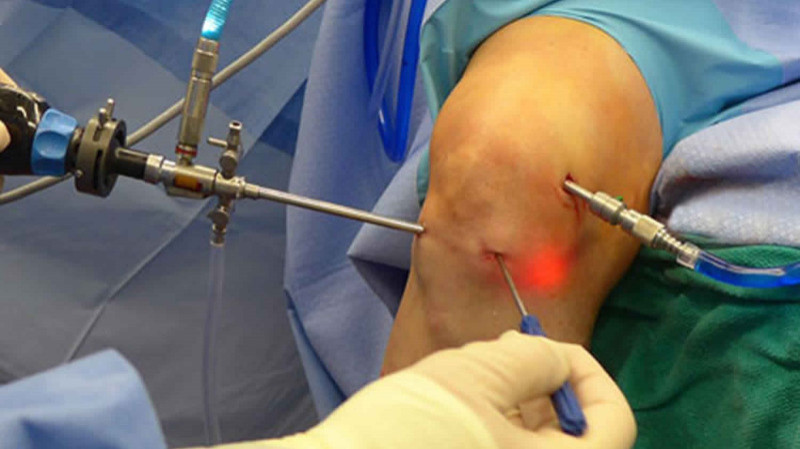
Bones, cartilage, ligaments, muscles, and tendons can all be damaged by disease or injury. To diagnose the problem, your doctor will usually take a complete history, perform a physical examination, and order imaging studies such as X-rays. In some cases, MRI or CT scans are also needed. Once the diagnosis is clear, arthroscopy may be recommended when it offers the most suitable treatment option.
Arthroscopy is commonly used for inflammatory problems, acute injuries, chronic instability, cartilage damage, and other joint-related conditions across several parts of the body.
Synovitis and other inflammatory conditions affecting the knee, shoulder, elbow, wrist, or ankle
Rotator cuff tendon tears and shoulder impingement
Recurrent shoulder dislocation and instability
Meniscal cartilage tears and chondromalacia in the knee
Anterior cruciate ligament (ACL) tears with knee instability
Carpal tunnel syndrome in the wrist
Loose bodies of bone or cartilage in the knee, shoulder, elbow, ankle, or wrist, along with select arthritis-related problems
The following procedures may be performed using arthroscopy alone or in combination with open surgery, depending on the joint and the complexity of the injury.
Rotator cuff repair
Repair or resection of torn cartilage (meniscus) from the knee or shoulder
Reconstruction of the anterior cruciate ligament (ACL) in the knee
Removal of the synovium in the knee, shoulder, elbow, wrist, or ankle
Release of the carpal tunnel in the wrist
Repair of torn ligaments
Removal of loose bone or cartilage in the knee, shoulder, elbow, wrist, or ankle; the knee, shoulder, elbow, ankle, hip, and wrist are the six joints most often examined using an arthroscope
The menisci are two strong, wedge-shaped pads of fibrocartilage that help absorb load and stabilise the knee. A tear may follow a twisting sports injury or develop gradually as the tissue changes with age. Treatment is selected according to symptoms, tear pattern and location, activity level, associated injuries, and the condition of the knee.
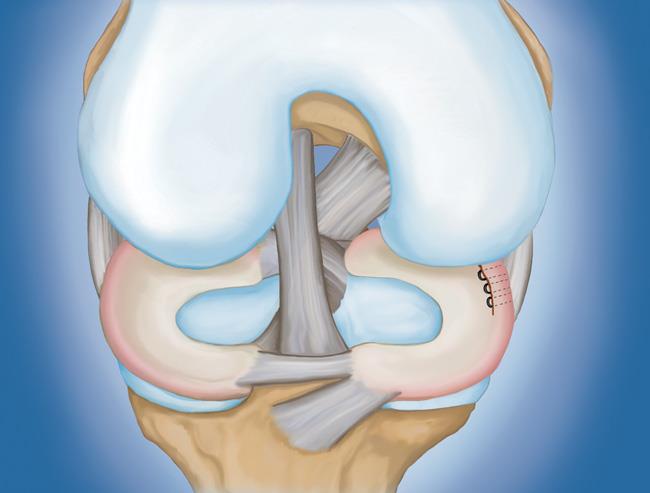
Diagnosis begins with the history of injury and a focused knee examination, including joint-line tenderness and movement tests. X-rays can identify arthritis or other bone-related causes of pain but do not show the meniscus directly. MRI may be advised when soft-tissue detail is needed or when the diagnosis and treatment plan remain uncertain.
Not every meniscus tear needs surgery. The aim is to relieve symptoms, restore function, and preserve as much healthy meniscus tissue as reasonably possible.
Activity modification, ice, appropriate medicines, and physiotherapy may be suitable when symptoms are manageable and the knee is not persistently locked.
Selected tears with healing potential may be sutured through small arthroscopic portals. Recovery is protected while the repaired tissue heals.
When a symptomatic fragment cannot be repaired, only the unstable damaged portion may be trimmed while preserving the remaining healthy meniscus.
Recovery depends on whether the tear is treated without surgery, repaired, or trimmed. Meniscus repair generally requires a more protected rehabilitation period than partial meniscectomy. The return to work, driving, exercise, and sport is guided by swelling, strength, knee movement, healing, and the procedure performed.
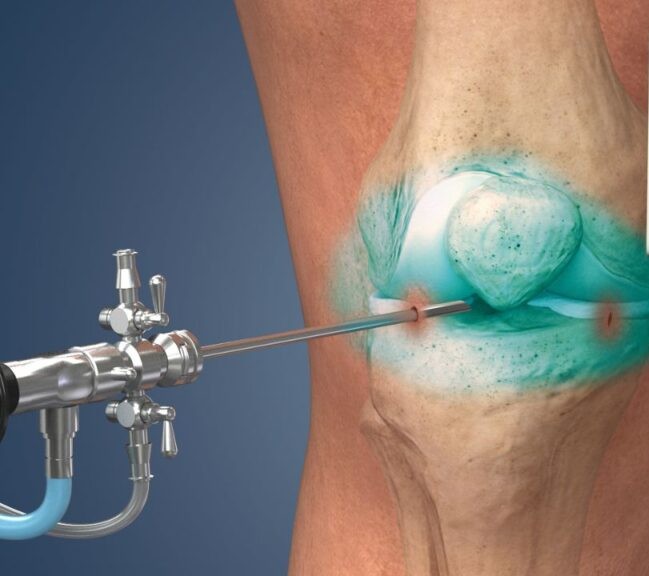
Arthroscopic surgery is easier to recover from than open surgery, but it still requires anesthesia and special operating-room equipment. Depending on the joint and the suspected problem, general, spinal, or local anesthesia may be used. A small incision, about the size of a buttonhole, is made to insert the arthroscope, and additional tiny incisions may be created to view other parts of the joint or introduce instruments for treatment.
After surgery, the incisions are covered with a dressing and you are moved to recovery. Before discharge, you will receive instructions about wound care, activity limits, and rehabilitation exercises. Recovery time depends on the complexity of the problem. In some situations, the surgeon may find that arthroscopy alone is not enough, and open surgery may be performed during the same anesthesia or later after discussion.
Although uncommon, complications can occur during or after arthroscopy. Infection, blood clots in a vein (deep vein thrombosis), excessive swelling or bleeding, damage to blood vessels or nerves, and instrument breakage are the most common concerns. Even so, these occur in far less than 1 percent of arthroscopic procedures.
Arthroscopic surgery is an extremely valuable tool for orthopaedic patients and is generally easier on the patient than open surgery. Most patients undergo arthroscopy as an outpatient procedure and return home within several hours, with smaller incisions and less tissue disruption than conventional open techniques.
The small puncture wounds usually heal within a few days, although the joint itself may take several weeks to recover fully. A structured rehabilitation and activity plan is often recommended to protect joint function and speed recovery. Many patients return to work, school, or routine daily activities within a few days, while athletes and people in strong physical condition may return to sports within a few weeks depending on their diagnosis and preexisting condition.